
Gladiolus: The August Birth Flower
The gladiolus, often referred to as the August birth flower, possesses a rich history intertwined with various cultural significances and symbolic meanings. Originating from regions in Africa, Europe, and the Mediterranean, this captivating flower belongs to the Iridaceae family. Its scientific classification includes numerous species, with Gladiolus hortulanus being one of the most recognized varieties. The name “gladiolus” itself is derived from the Latin word gladius, meaning sword, a nod to the flower’s sword-like, upright leaves.
Throughout history, the gladiolus has been embraced for its striking visual appeal. Its tall, elegant spikes adorned with vibrant blossoms make it a favored choice in ornamental gardening and floral arrangements. The plant typically blooms in the summer, aligning its natural flowering period with the celebratory month of August. This timing has solidified the gladiolus’s association with summer festivities and commemorations.
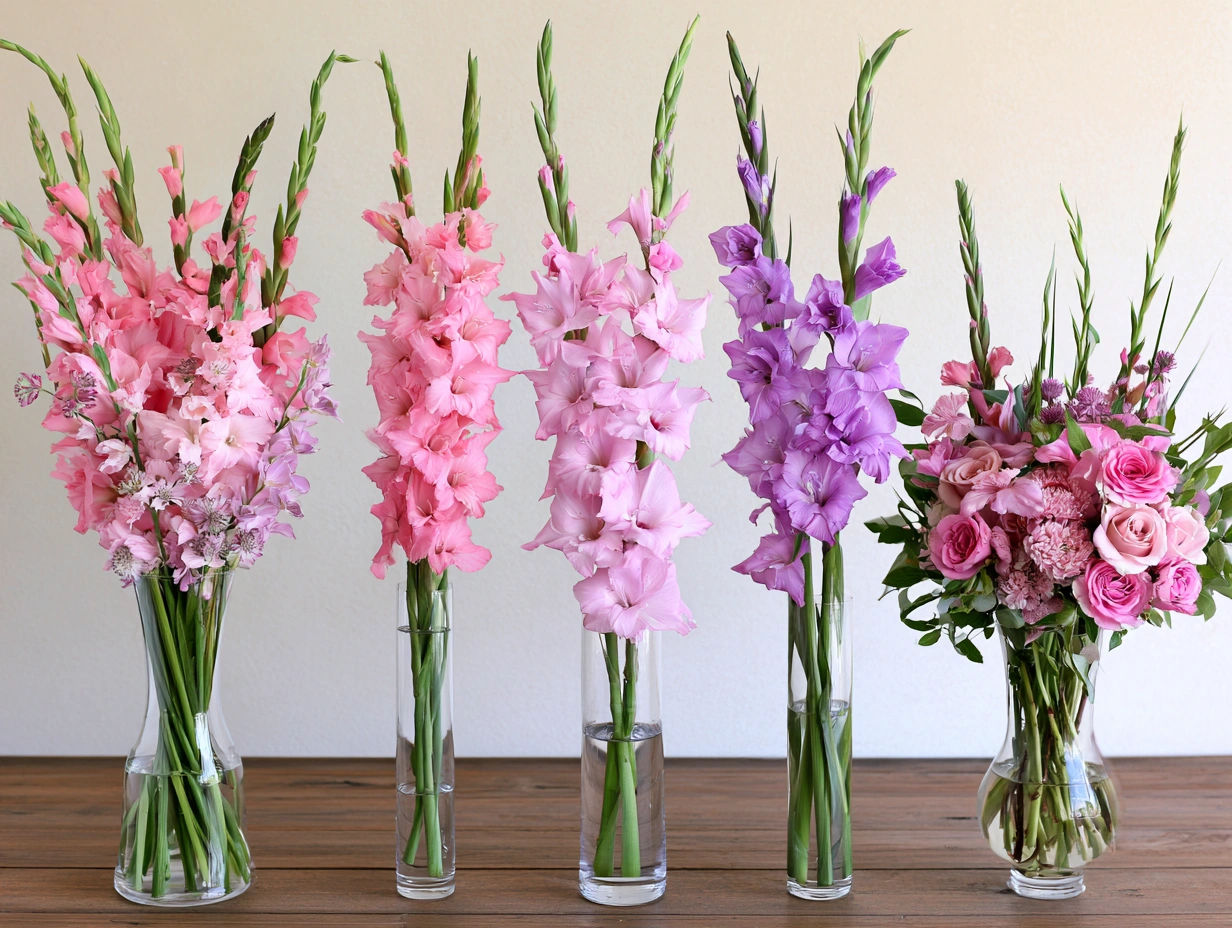
Culturally, the gladiolus has been a symbol of strength, integrity, and sincerity. It is often regarded as a representation of the strength of character and a token of infatuation. These meanings have led to its frequent inclusion in bouquets that celebrate love and friendship, as well as in arrangements for solemn occasions, conveying deep sentiments of remembrance and honor.
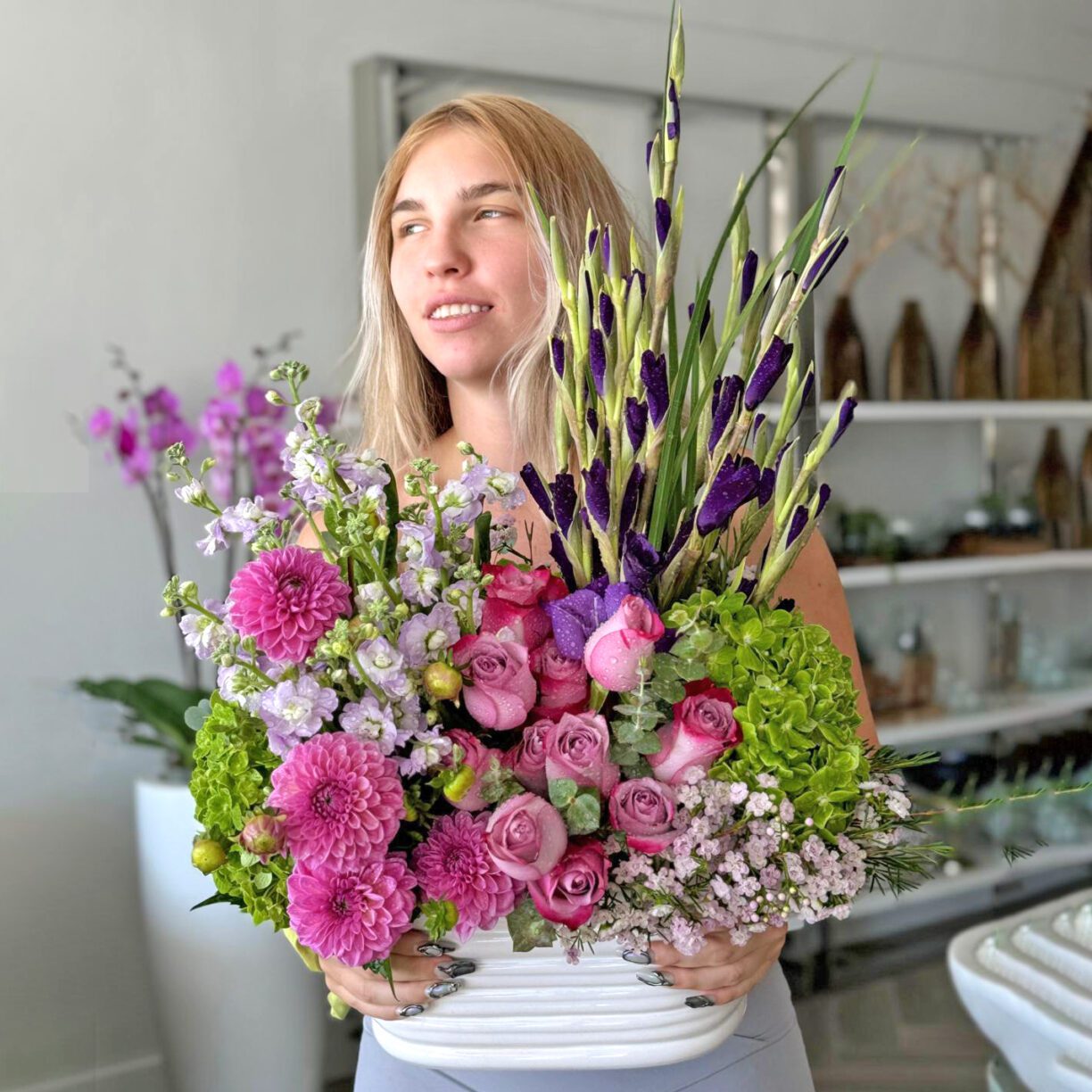
The diverse colors of the gladiolus—ranging from the fiery red to soft pastels—further enhance its symbolic interpretations. Each hue brings forth a different meaning; for example, red gladiolus is often associated with love and passion, while white symbolizes purity and innocence. These varied interpretations contribute to the flower’s enduring appeal, making it not only a favorite among gardeners but also a cherished emblem for those born in August.
Characteristics of Gladiolus Flowers
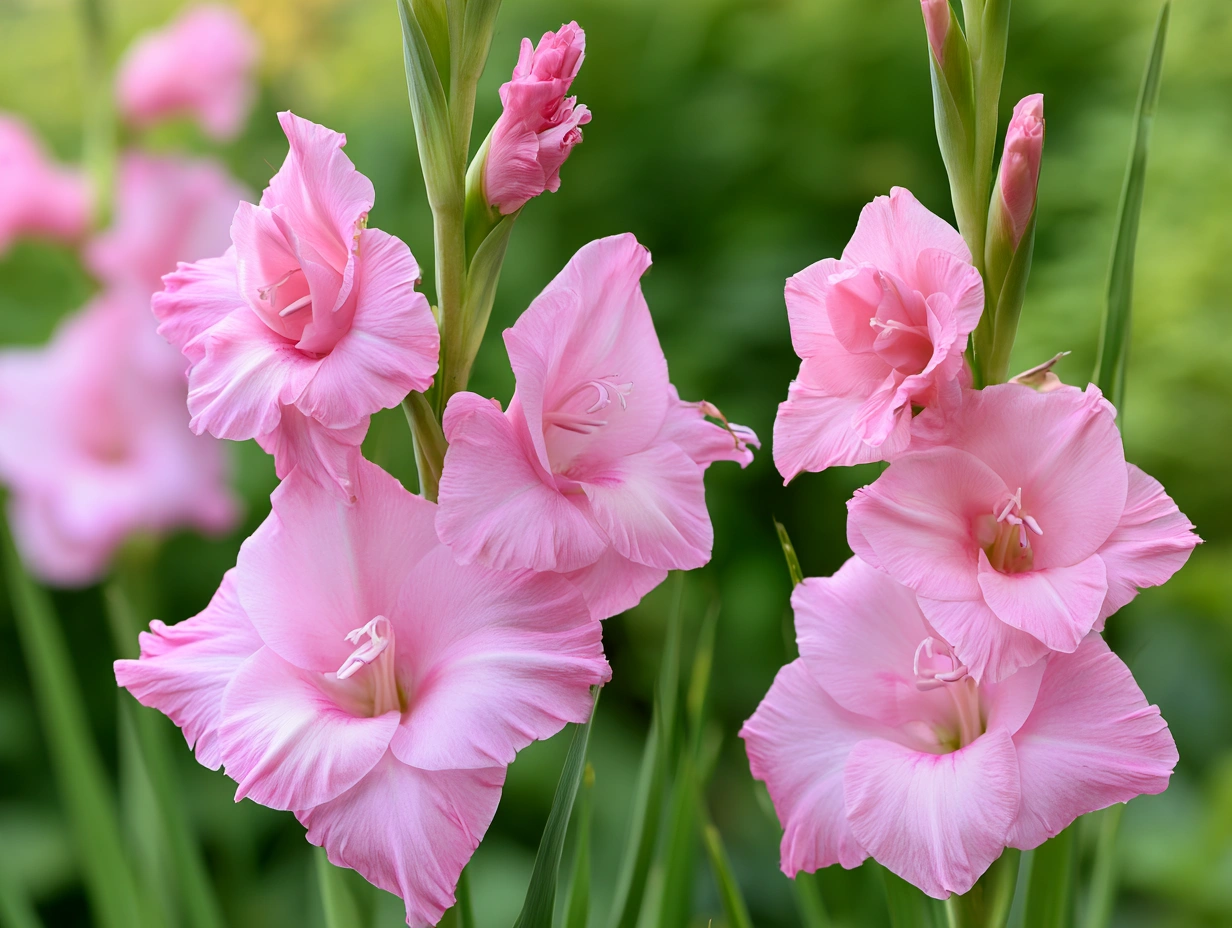
The gladiolus, often celebrated for its striking beauty, boasts a variety of physical attributes that make it a favored choice among gardening enthusiasts. These flowers are characterized by their long, upright spikes, which can grow anywhere from 2 to 4 feet tall. The individual blossoms are funnel-shaped, with a distinctive ruffled edge, and they open sequentially from the bottom to the top of the stem. This unique blooming pattern allows for an extended display of color and vibrancy.
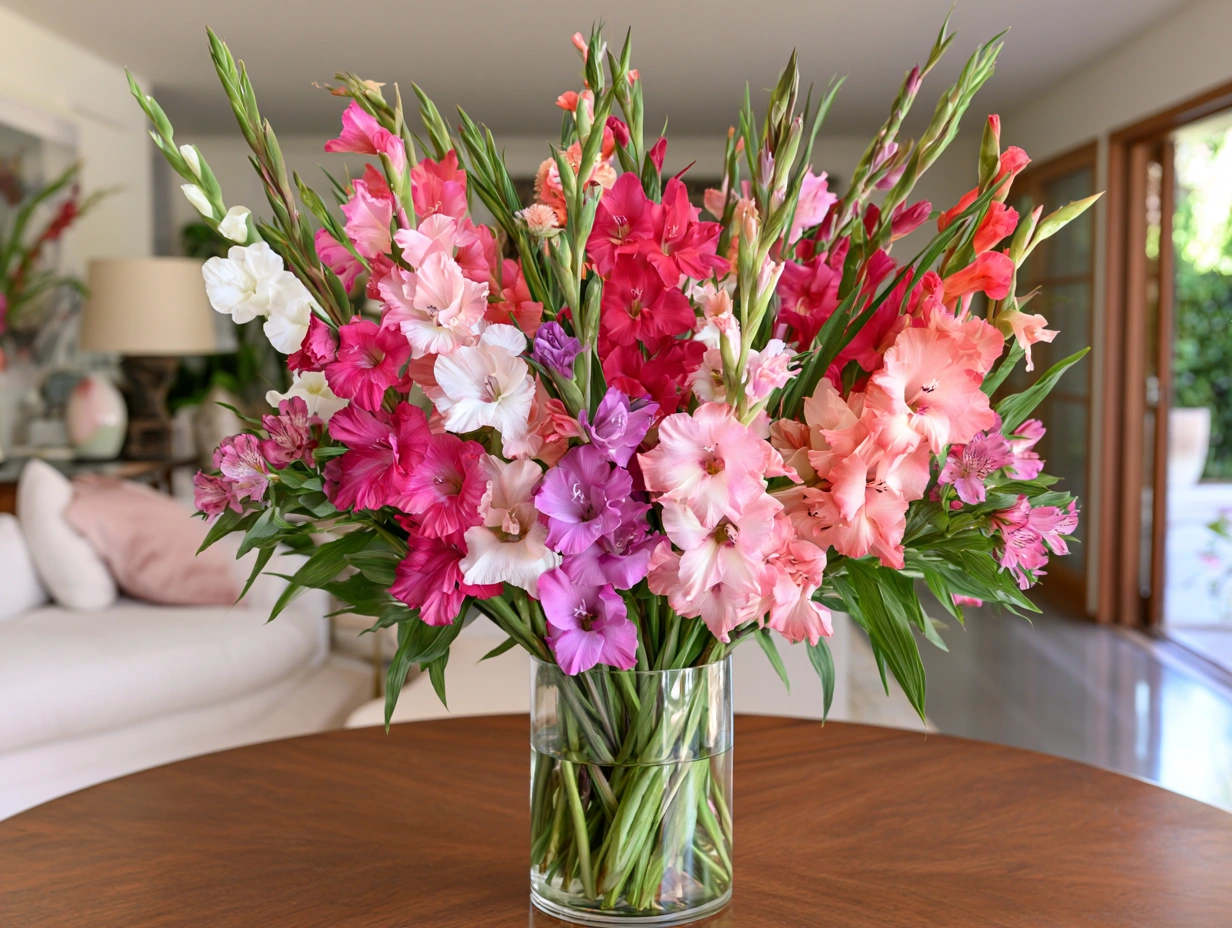
Gladiolus comes in a stunning array of colors, including shades of pink, red, yellow, white, purple, and orange. Some cultivars even exhibit bi-colored or speckled petals, providing even more visual interest. The size of individual flowers can range from 2 to 6 inches across, depending on the specific variety. When planted in groups, the tall, colorful spikes create a dramatic impact in any garden setting.
In terms of growth habits, gladiolus is a perennial bulbous plant that typically blooms during the summer months, from mid-summer to early fall. Depending on the climate and environmental conditions, the blooming time can vary. These plants thrive in well-draining soil and prefer a sunny location, receiving at least six hours of direct sunlight daily. They are relatively hardy and can adjust to various soil types, although they perform best in moderately fertile soil that retains moisture without becoming soggy.
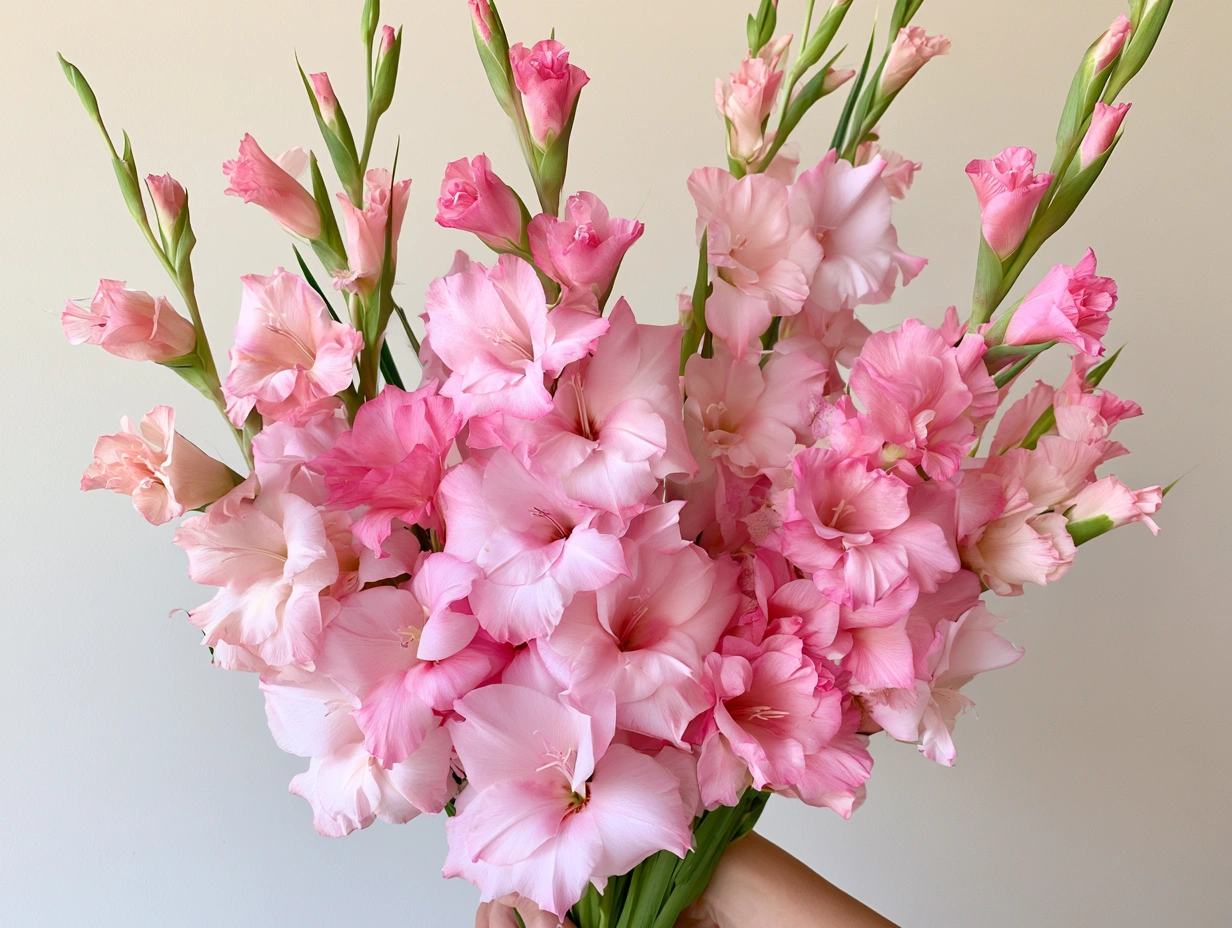
Gladiolus is also known for its adaptability to a range of environmental conditions, making it suitable for diverse gardening settings. Proper care, including watering during dry spells and staking taller varieties to prevent bending or breakage, can enhance their growth potential. With the right attention to these factors, gardeners can enjoy the vibrant splendor of gladiolus flowers in their landscapes, celebrating the beauty of this August birth flower.
Uses and Symbolism of Gladiolus in Floral Arrangements
The gladiolus is a popular choice in floral arrangements, cherished not only for its striking appearance but also for the rich symbolism it carries. With its tall and robust stalks, adorned with numerous trumpet-shaped blooms, the gladiolus can serve as a focal point in various arrangements, from simple bouquets to elaborate centerpieces. Its versatility makes it suitable for a multitude of occasions, such as weddings, anniversaries, and other celebrations.
Traditionally, the gladiolus symbolizes strength, integrity, and infatuation. This makes it a fitting flower for weddings, where couples often wish to convey a message of deep emotions and unwavering commitment. The vibrant hues of the gladiolus, ranging from soft pastels to vivid reds and oranges, allow for a personalized touch in any wedding arrangement. Each color can carry its own meaning; for instance, pinks may represent admiration, while yellows convey joy and cheerfulness.
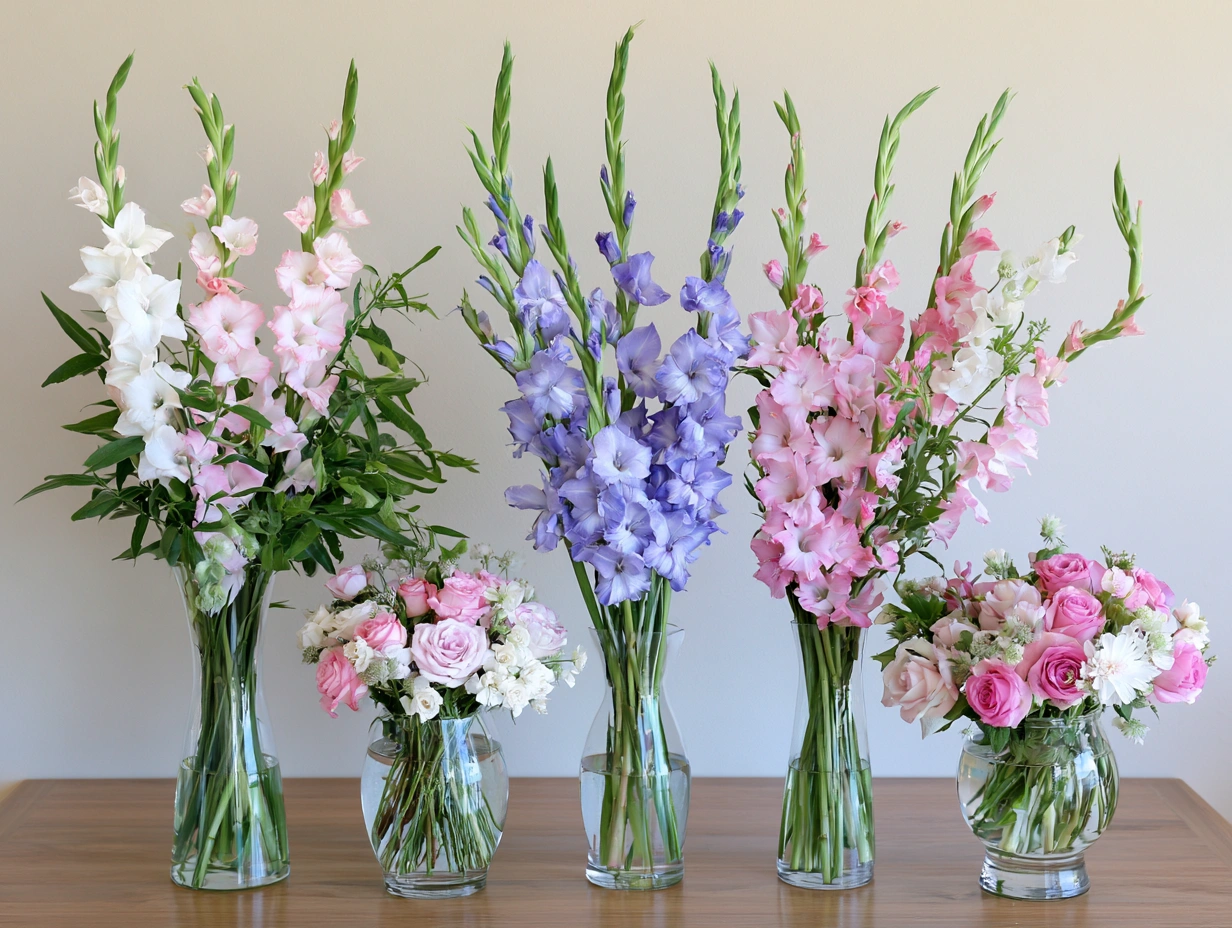
In addition to their role in weddings, gladiolus flowers are frequently used to celebrate anniversaries, particularly the 40th year, where they are given to symbolize the enduring strength of love. Their tall stature and elegance render them suitable both for gifting and for embellishing event spaces, adding a sense of grandeur and sophistication to the environment.
Moreover, modern interpretations extend beyond traditional meanings. Today, gladiolus also symbolize sincerity and remembrances, making them appropriate for memorial arrangements. Their ability to convey profound sentiment adds depth to the floral gifts exchanged on various occasions.
Ultimately, the incorporation of gladiolus flowers into floral arrangements resonates with significance and elegance, ensuring they remain a favored choice across different celebratory contexts. As we explore the diverse uses and meanings, it becomes clear that gladiolus are not just aesthetically pleasing but also laden with rich symbolism that enhances their appeal in the world of floristry.
Caring for Gladiolus Plants
Cultivating gladiolus plants can be an enriching experience, providing both beauty and joy to any garden. For both novice and experienced gardeners, understanding the specific needs of these flowers is essential to ensure their healthy growth and vibrant blooms. To start, it is important to choose the right location for planting gladiolus. They thrive best in well-drained soil with plenty of sunlight, requiring at least six hours of direct sunlight each day. Before planting, ensure the soil is loose and enriched with organic matter or compost to furnish the nutrients they need.
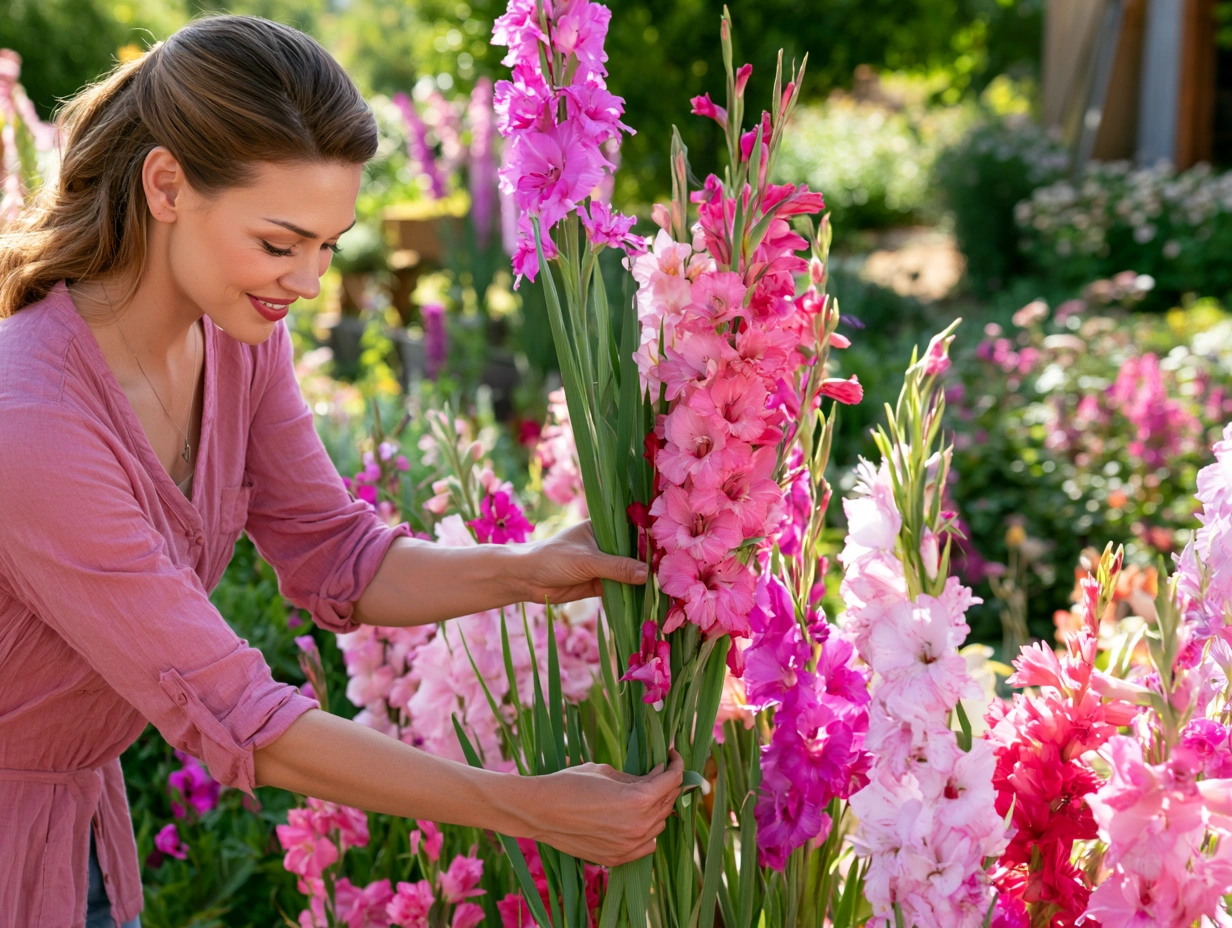
When it comes to planting gladiolus corms, timing is crucial. Ideally, they should be planted in the spring after the last frost, with the corms placed about four to six inches deep and spaced six to eight inches apart. This spacing allows each plant ample room to grow and flourish. It is advisable to plant gladiolus in staggered intervals, every two weeks, to extend the blooming period throughout the summer months.
Watering is a key component of gladiolus care. After planting, the corms should be watered generously, ensuring the soil is consistently moist but not waterlogged. As the plants grow, they will require about one inch of water per week, adjusted according to rainfall. During particularly dry spells, consider increased watering to maintain healthy foliage and blooms. Additionally, it is vital to monitor your gladiolus for any signs of pests or diseases, including aphids, fungal infections, or bulb rot. Implementing integrated pest management practices early can help prevent significant infestations.
Regularly removing spent blooms, or deadheading, encourages additional flowering and keeps the plants looking tidy. Fertilizing gladiolus every few weeks with a balanced fertilizer can also support healthy growth and flower production. Ultimately, the care of gladiolus plants requires attention to detail and responsiveness to their changing needs, ensuring a magnificent display during their blooming season.
