Flowers to Celebrate Easter: A Blossoming Guide
The Significance of Flowers During Easter
Flowers have held a significant place in the celebration of Easter for centuries, symbolizing the themes of renewal, resurrection, and the transformative spirit of springtime. This joyful season, which coincides with the flowering of many plants, has cultivated a rich tradition where specific blooms are closely associated with the Easter festivities. Among these, the lily stands out prominently as a symbol of purity and new beginnings, representing the resurrection of Jesus Christ.
The choice of flowers during this religious holiday reflects both historical traditions and cultural practices. In many cultures, the arrival of spring is marked by the blooming of various flowers, which signify the end of winter and the onset of warmth and growth. Tulips, daisies, and hyacinths, for example, are commonly used to decorate homes and churches, enhancing the celebratory atmosphere and reminding individuals of the promise of new life.
Throughout history, flowers have been employed in both religious and secular customs. In Christianity, flowers are often incorporated into church services, used to adorn altars and enhance the spiritual ambiance. This practice is also visible in the creation of floral arrangements that depict the beauty of nature, thus echoing the belief that life triumphs over death. Additionally, Easter bonnets adorned with fresh blossoms represent joy and the carefree spirit of the season, showing how intertwined flowers are with personal expressions of faith and celebration.
Moreover, the symbolism of flowers extends to various Easter traditions worldwide. In some cultures, people may exchange flowers as gifts or use them in festive meals, thereby reinforcing the connection between floral beauty and the spirit of renewal that Easter epitomizes. As such, flowers are not merely decorative items but serve as vital elements that enrich the cultural fabric surrounding this significant holiday.
Popular Easter Flowers and Their Meanings
Easter is a time of rejuvenation and delight, as nature transforms with the arrival of spring. One of the most poignant ways to celebrate this season is through the use of flowers, each carrying its own unique symbolism. Among the plethora of blooms, several flowers stand out as particularly significant during Easter.
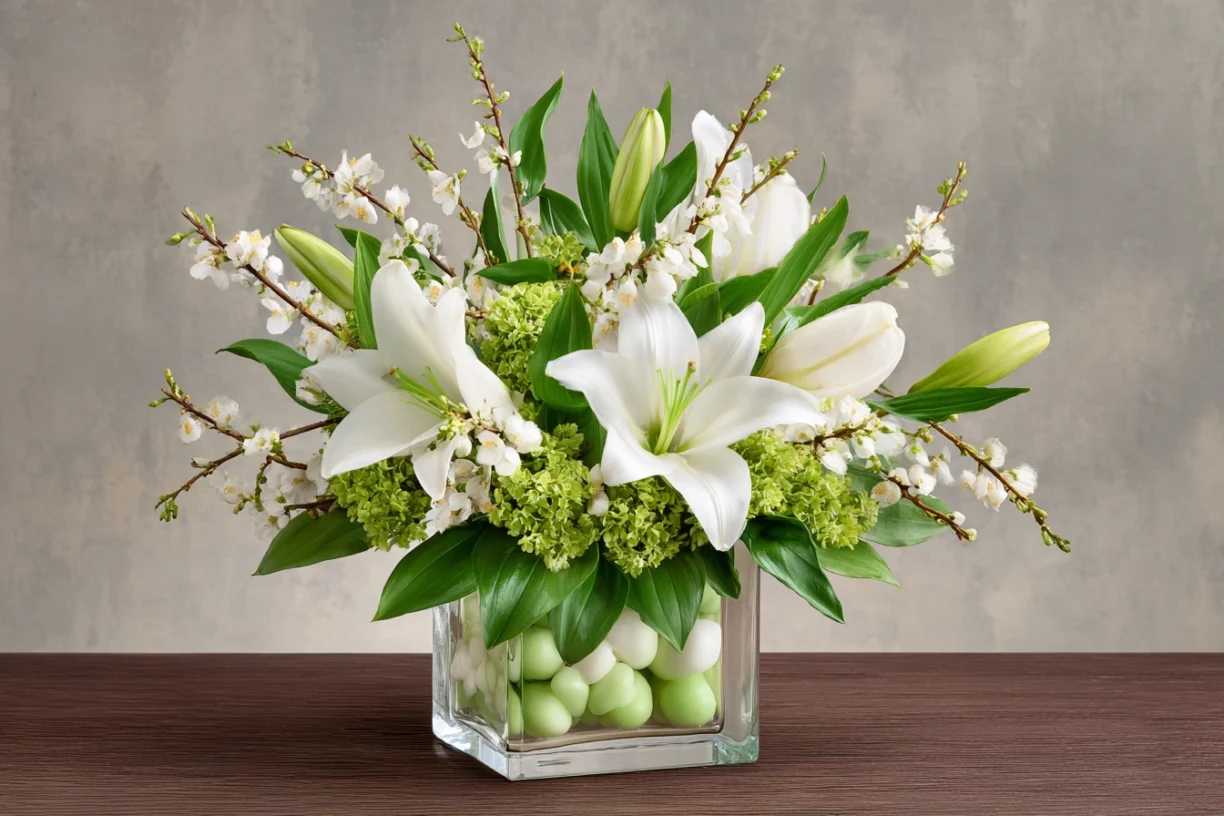
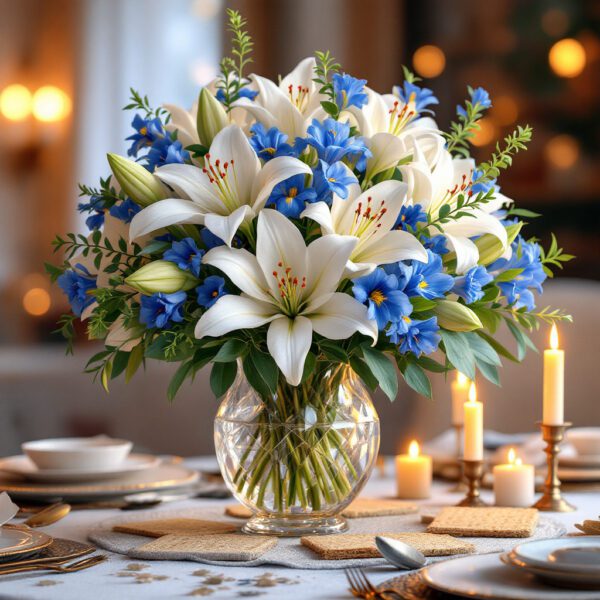
The Easter lily, perhaps the most iconic of them all, symbolizes purity, renewal, and resurrection. Its striking white petals represent the resurrection of Christ and are often used in religious decorations, making it an essential choice for Easter celebrations. Available in gardens and florists from late winter to early spring, this elegant flower offers a timeless beauty that complements any Easter arrangement.
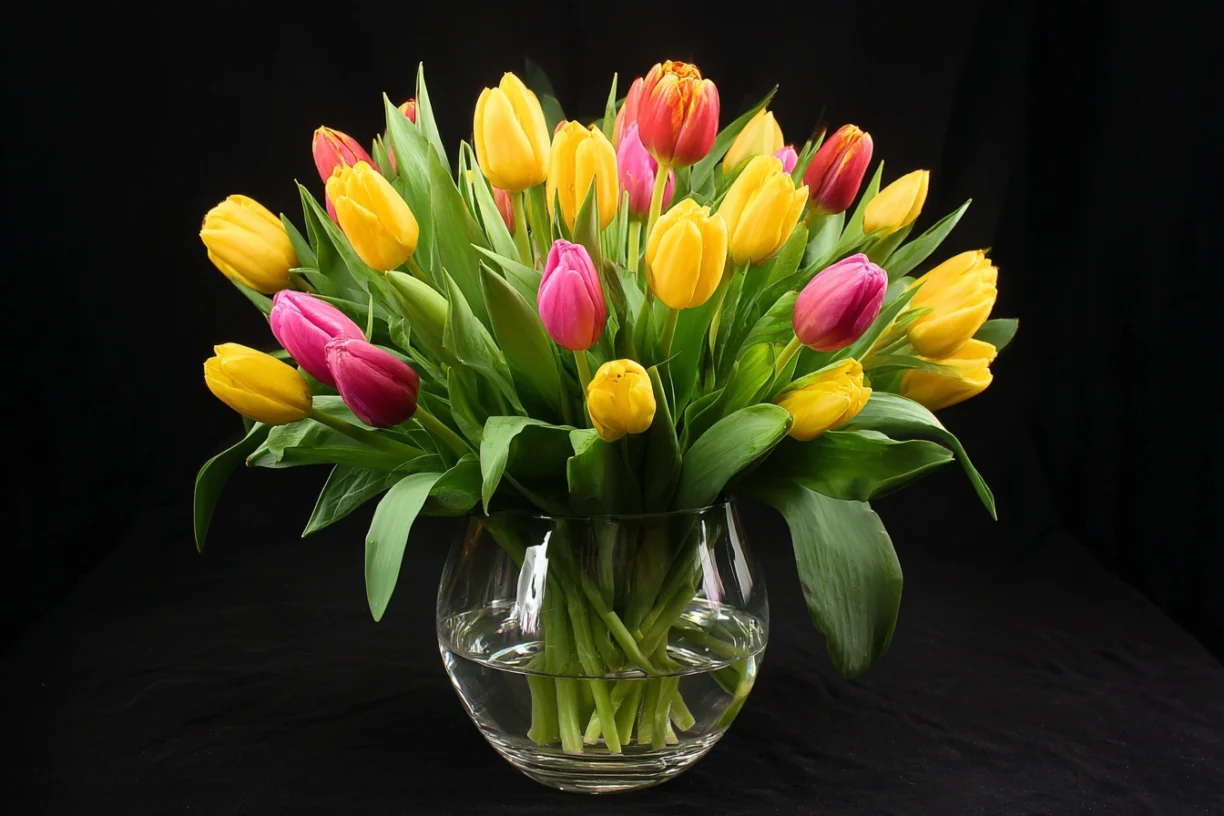
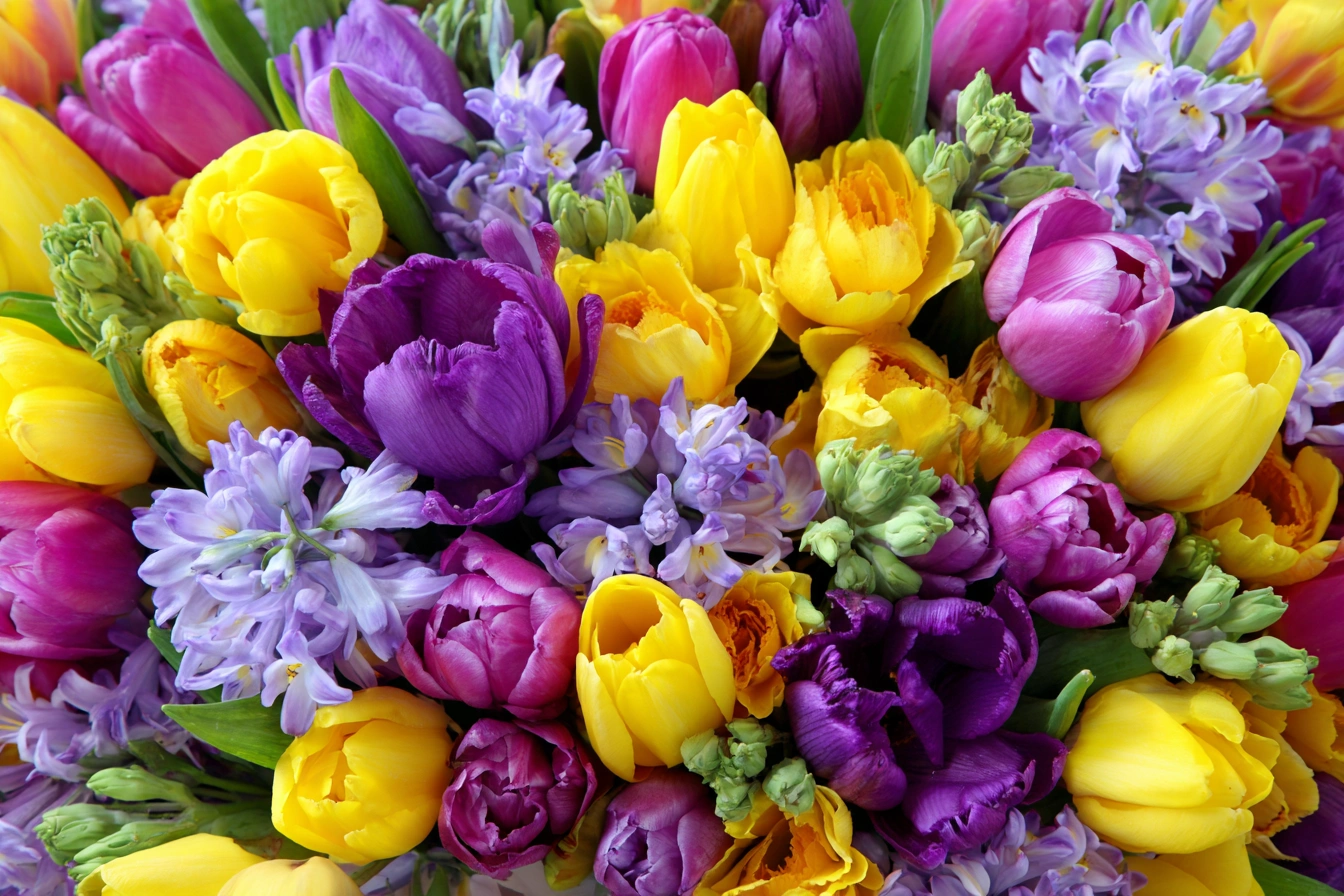
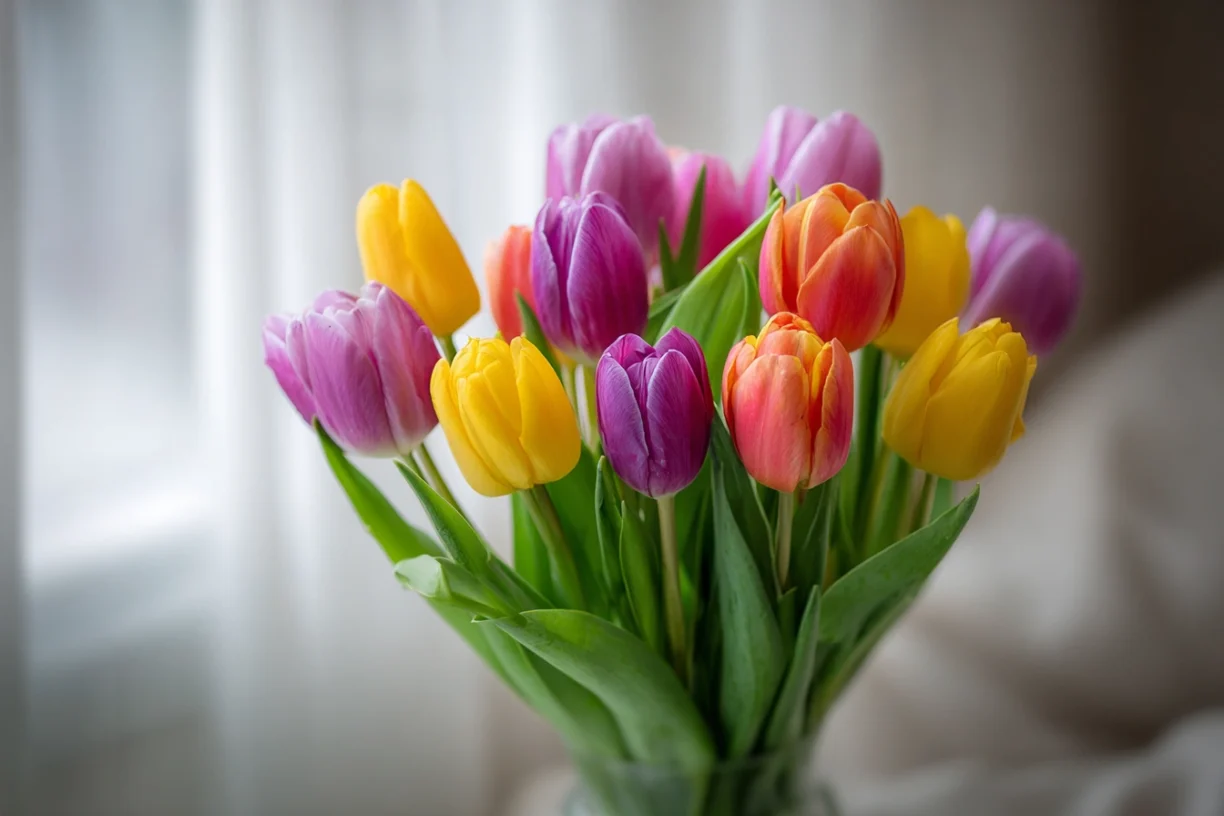
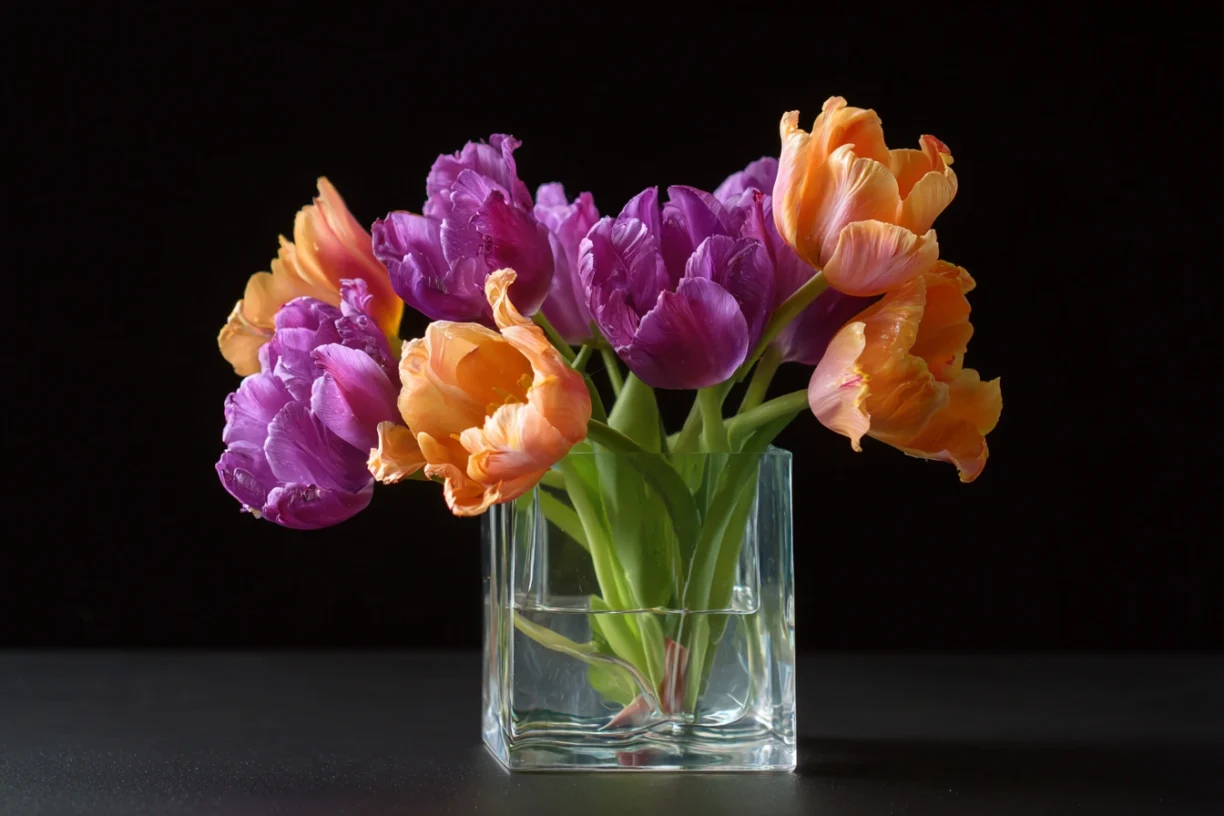
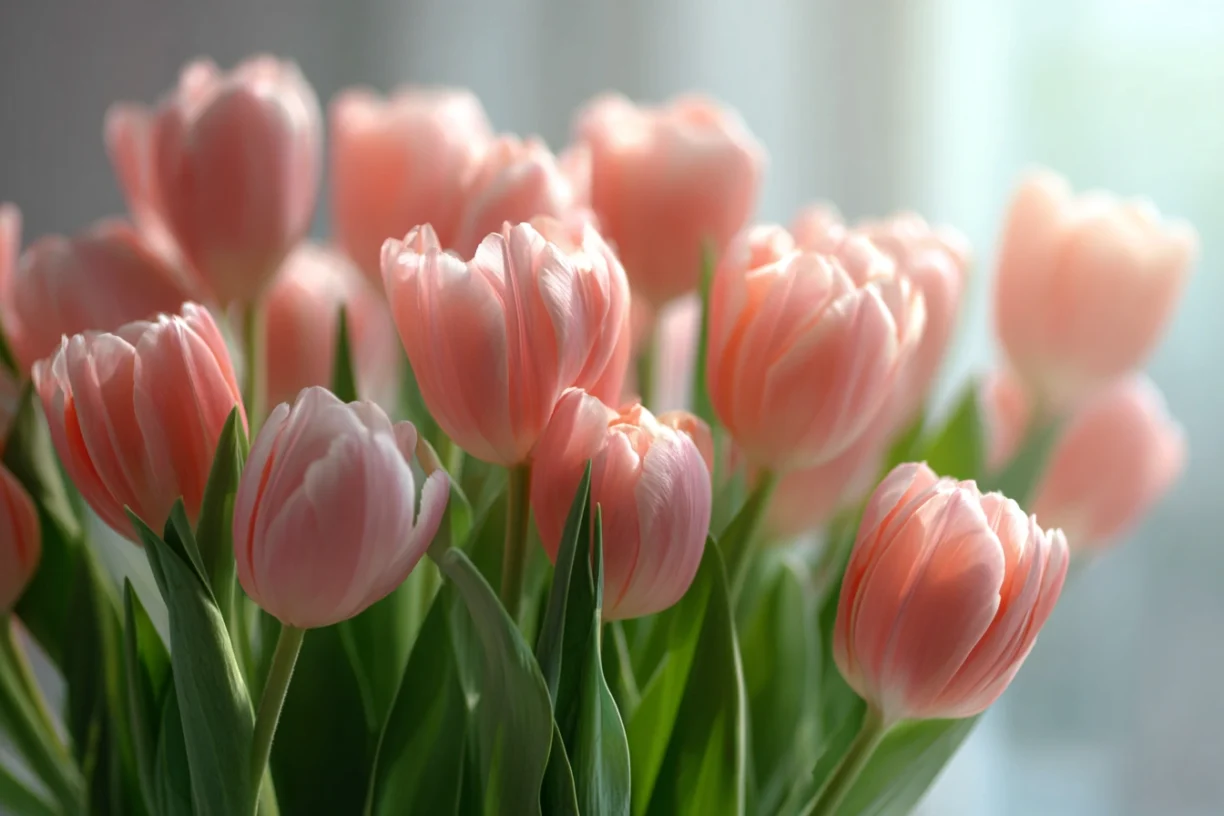
Another popular option is the tulip, known for its vibrant colors and elegant shape. Tulips represent love and passion, making them a lovely gift during the holiday. They come in various shades, ensuring that there’s a tulip suited for every aesthetic. Tulips are typically in season from early spring, providing a cheerful option for Easter decorations.
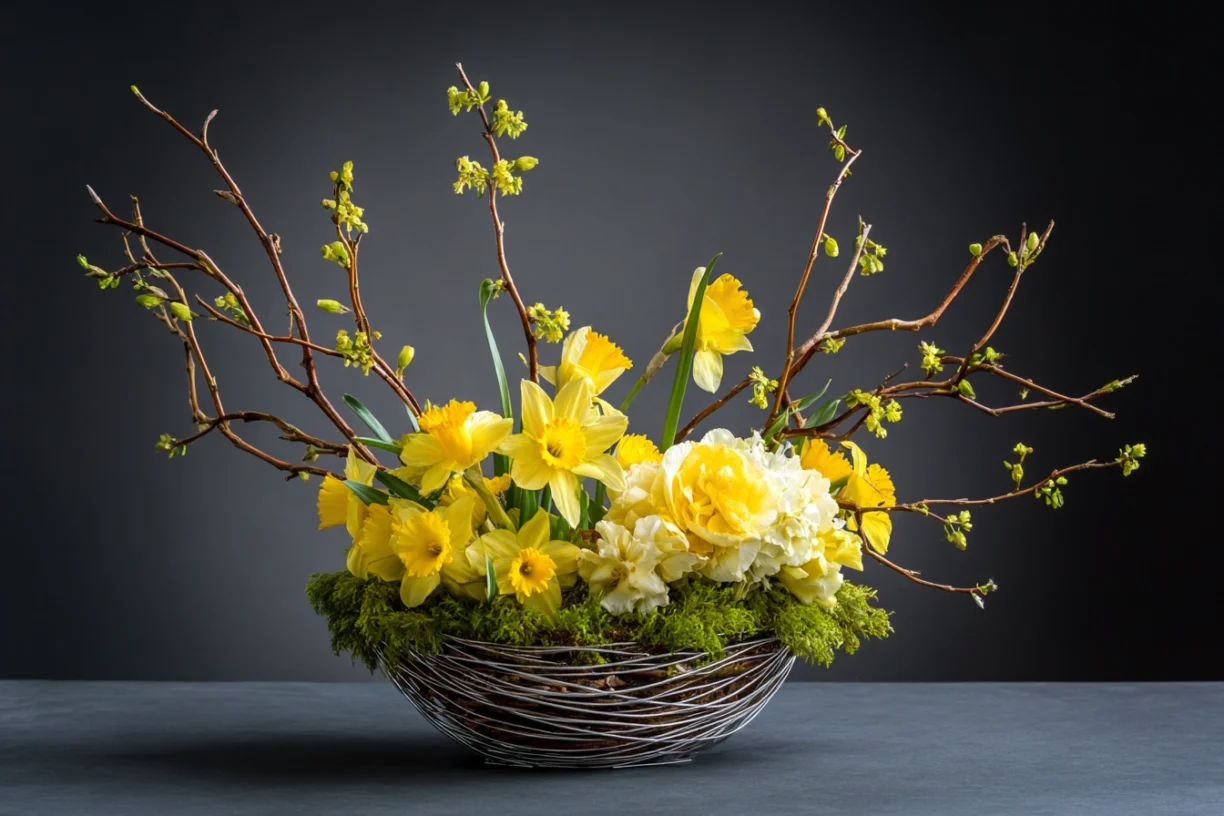
Daffodils also make an appearance during this festive time. Known for their bright yellow hues, these flowers symbolize rebirth and new beginnings. Daffodils are typically among the first blooms to emerge in spring, making them a fitting symbol for Easter’s themes of transformation and hope. Their cheerful disposition enhances any festive décor.
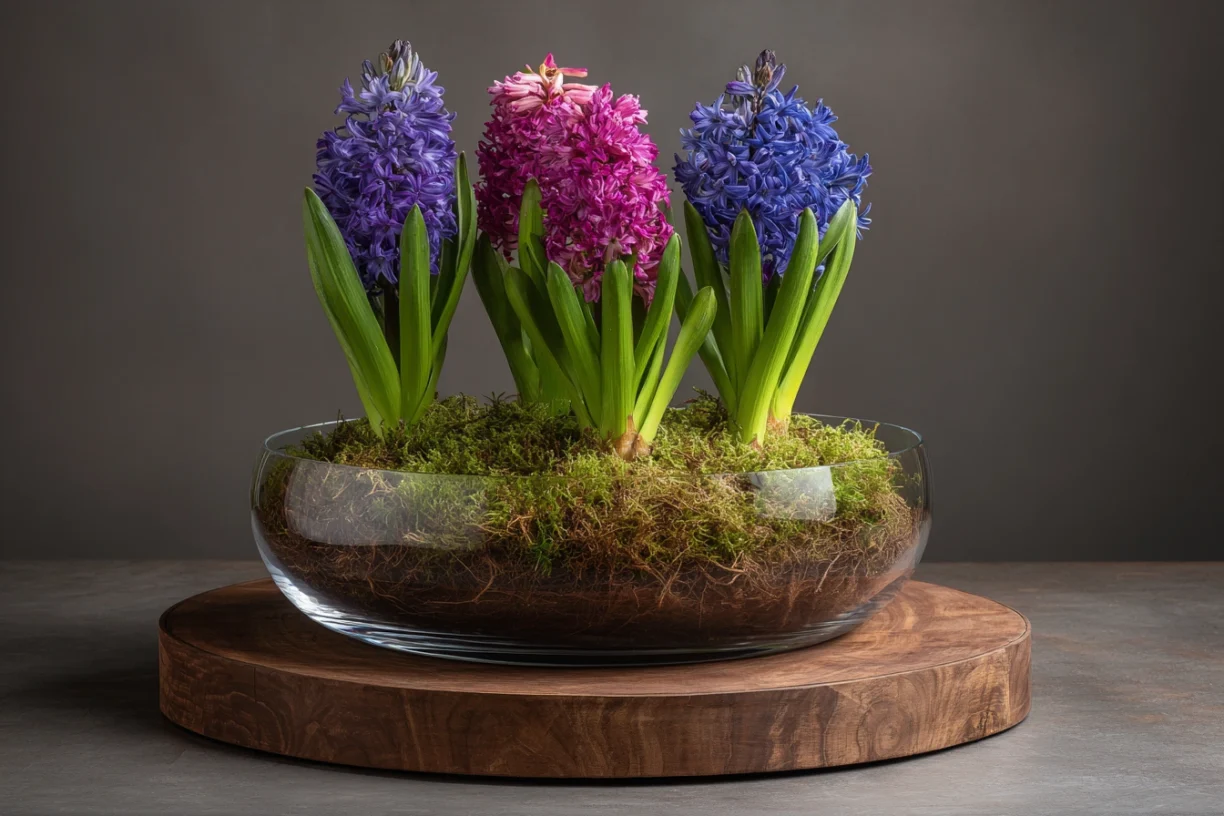
Lastly, hyacinths are celebrated for their fragrance and rich colors. They embody constancy and sincerity. Available in various colors, hyacinths can also be seamlessly included in Easter flower arrangements, adding both aroma and beauty to any celebration.
Incorporating these flowers into Easter decorations not only enhances the aesthetic appeal but also enriches the celebration with their deep meanings and connections to the season’s themes.
Ideas for Using Flowers in Easter Celebrations
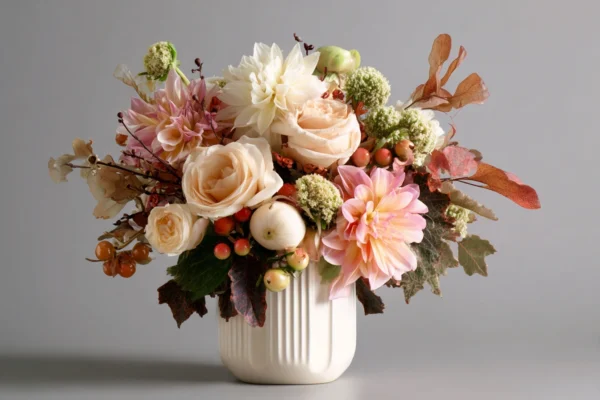
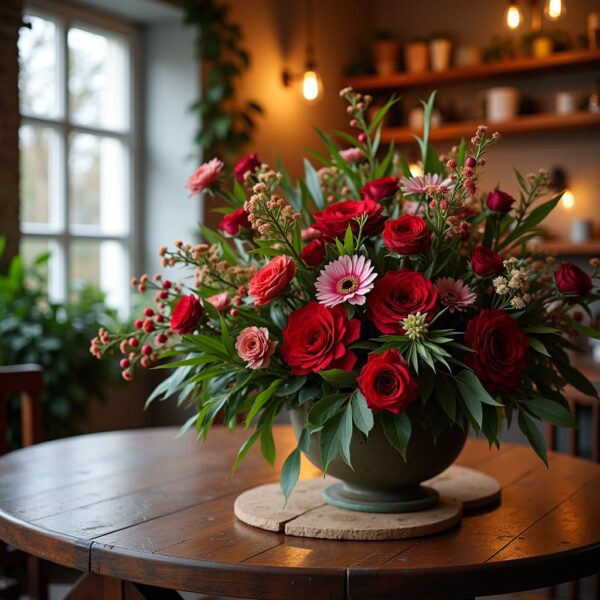
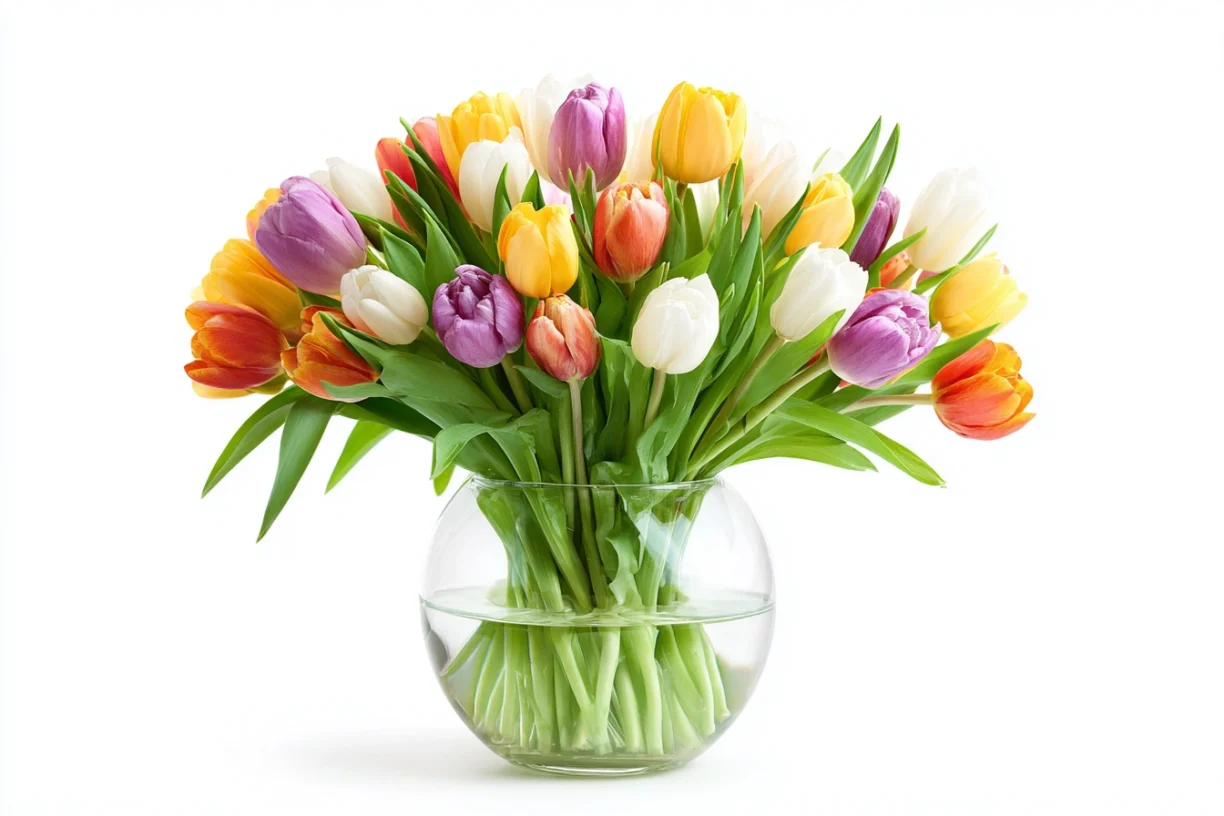
Easter is a time of renewal and celebration, making it a perfect occasion to incorporate vibrant flowers into various festivities. One of the most classic ways to use flowers is through beautiful floral arrangements for dining tables. Consider crafting centerpieces that reflect the spirit of spring, utilizing blooms such as tulips, daffodils, and daisies in pastel colors that evoke the essence of Easter. Arranging these flowers in decorative vases can certainly elevate the dining experience, adding a touch of seasonal beauty to family gatherings.
In addition to table arrangements, flowers can play a delightful role in Easter egg hunts. Homeowners can scatter small bouquets of fresh flowers in designated hunting areas, leading children on an exciting adventure. These colorful blossoms serve not only as decorations but also as markers for hidden eggs, enhancing the festive atmosphere and offering a sensory experience for young participants.
Creating floral centerpieces for church services or community gatherings is another thoughtful approach. Consider using potted flowers or floral wreaths that can be displayed on altars or tables. These arrangements symbolize new life and hope, central themes during the Easter season. For a personalized touch, families can engage in DIY flower crafts that allow everyone, including kids, to create their own unique floral designs. Common crafts include flower crowns or handmade Easter baskets adorned with fresh blooms. These activities foster creativity while allowing families to bond over the shared experience of creating something beautiful.
By integrating flowers into Easter celebrations, individuals not only elevate the visual aesthetic but also instill a sense of joy and togetherness, making the occasion even more memorable. Whether through floral arrangements, egg hunts, or DIY crafts, flowers indeed enhance the spirit of Easter.

Read more