The 7-Day Freshness Guide: How to Make Cut Flowers Last Longer
Cut flowers are often appreciated for their aesthetic appeal; however, understanding their biology is essential for maintaining their freshness and longevity. Flowers are primarily composed of water and require a consistent supply to thrive. Upon being cut from their source, they lose their direct access to nutrients and water. As a result, the plant must rely on the water that remains within its cells. This dependency underlines the significance of proper hydration in limiting decay and extending the life cycle of cut flowers.
Different species of flowers exhibit varied requirements in terms of water and nutrients. For example, soft-stemmed varieties, such as daisies, are particularly sensitive and may require frequent water changes and careful trimming to ensure efficient water uptake. Conversely, hardy flowers, like chrysanthemums, tend to be more resilient and can withstand periods of lower moisture levels.
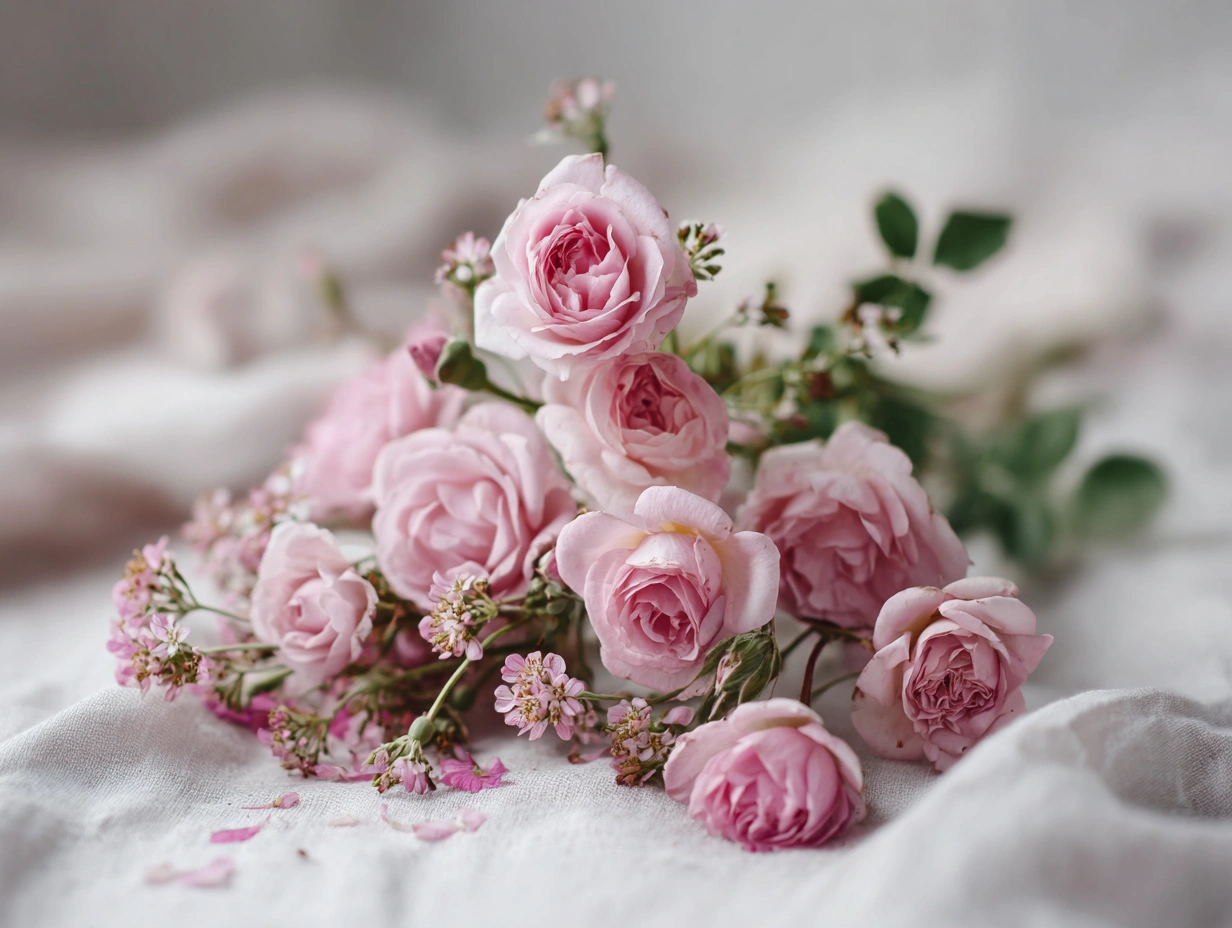
Another critical aspect of flower biology involves the physiological processes that contribute to wilting and decay. As flowers transpire, they naturally lose moisture through their petals and leaves. If the water supply diminishes too rapidly, the flowers will start to wilt, indicating the need for immediate hydration. Additionally, bacteria and fungi can proliferate in the stagnant water of the vase, leading to blockage in the stems and further compromising the flowers’ ability to take up water, thus accelerating decay.
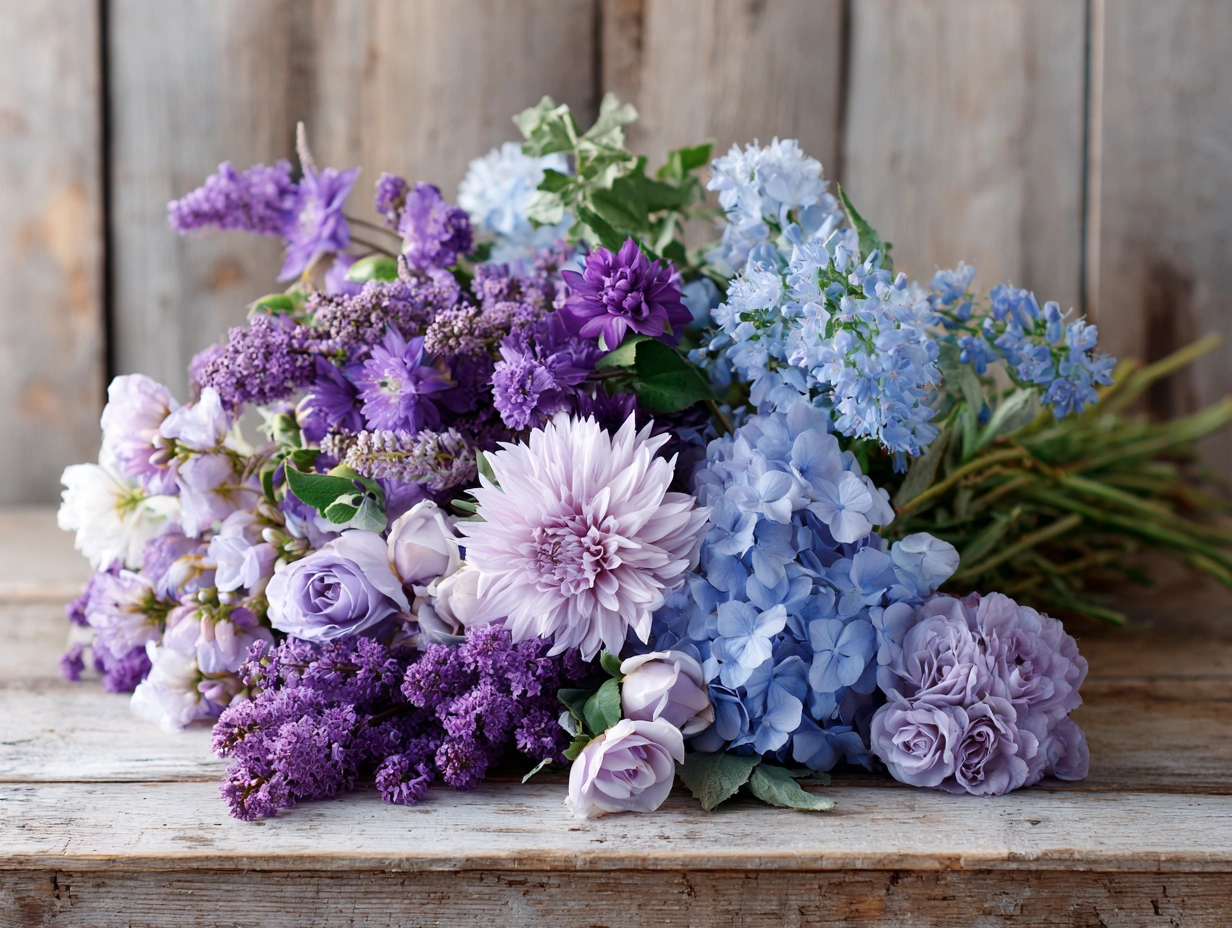
Understanding these biological factors can positively influence the steps taken to extend the lifespan of cut flowers. Proper care techniques, including frequent trimming of stems, maintaining sanitary water conditions, and temperature regulation can serve to enhance the vitality of various floral species, making your arrangements last longer and maintaining their beauty.
Preparation for Arranging Flowers
Proper preparation is critical in ensuring that cut flowers maintain their freshness and longevity when arranged. The first step in this process is selecting the right type of flowers. It is wise to choose blooms known for their durability, such as chrysanthemums, carnations, and alstroemeria, as these varieties tend to last longer than more delicate options like peonies or lilies. It is also advisable to select flowers that are at the early stages of blooming; this will allow them to open gradually and stay vibrant for an extended period.
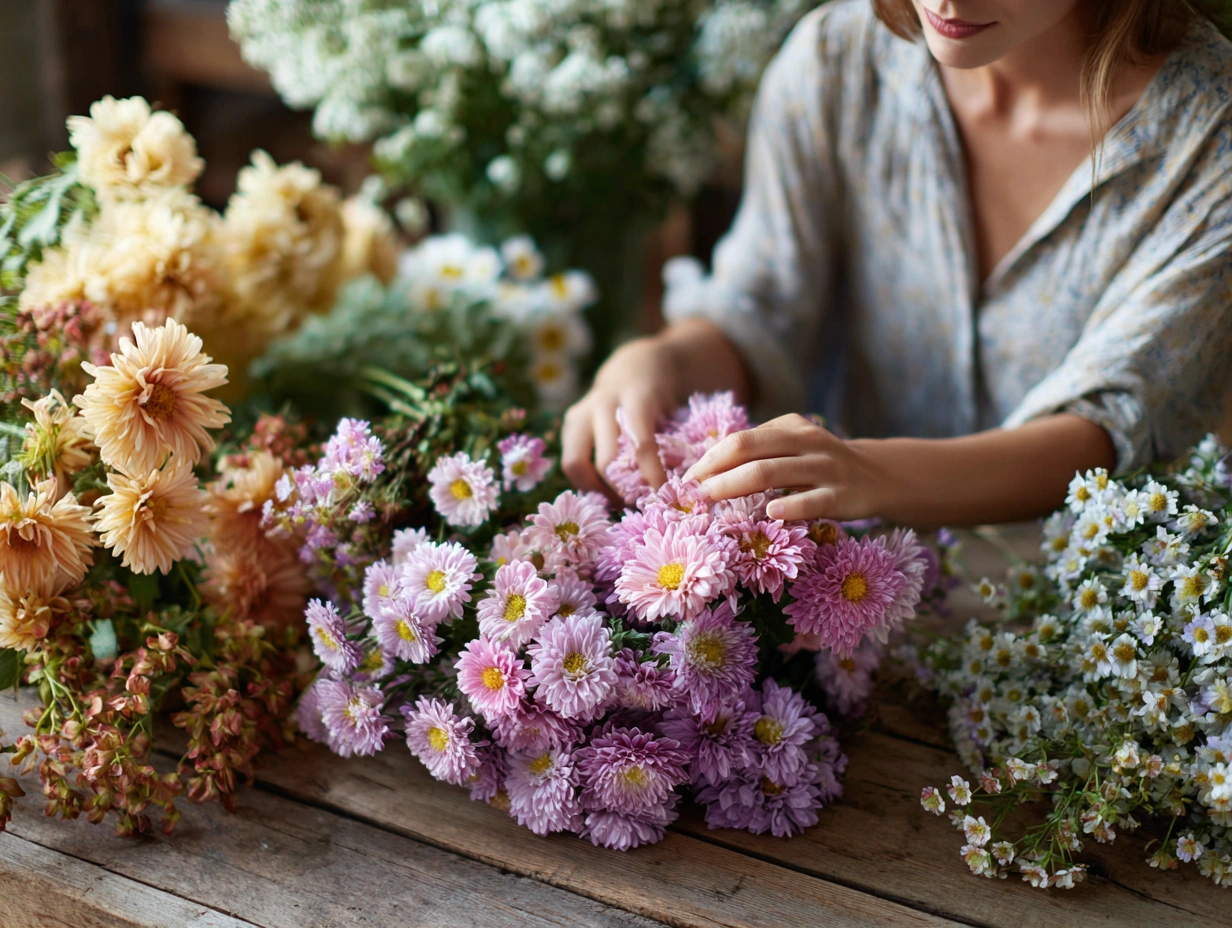
Once the flowers have been selected, the next crucial step is employing appropriate cutting techniques. Flowers should be cut at a 45-degree angle, as this allows for optimal water absorption. Additionally, it is recommended to cut the stems underwater to avoid air bubbles that can impede water uptake. During the cutting process, it is important to remove any lower leaves that would sit in the water, as decaying foliage can promote bacterial growth, affecting the overall health of the arrangement.
Using clean tools and containers is vital in this preparation phase; contaminated tools can introduce pathogens that diminish flower life. Prior to cutting, ensure that scissors or shears are sanitized, and that the containers are washed thoroughly. When filling containers, use fresh water and consider adding flower food, which provides essential nutrients that support flower longevity. This not only enriches the water but also enhances the beauty of the arrangement.
In conclusion, the preparation of cut flowers—through careful selection, correct cutting techniques, and maintaining cleanliness—plays a significant role in extending their lifespan when arranged. By following these steps, individuals can enjoy their floral displays for a longer duration, appreciating the beauty that cut flowers bring to their environments.
Daily Maintenance Tips
To ensure that your cut flowers remain vibrant and fresh for as long as possible, daily maintenance plays a crucial role. One of the first steps in maintaining cut flowers involves proper watering techniques. It is important to check the water level in the vase daily. Flowers consume water quickly, and a low water level can lead to wilting. Always use clean, room temperature water to which flower preservatives can be added to fortify the blooms and inhibit bacterial growth.
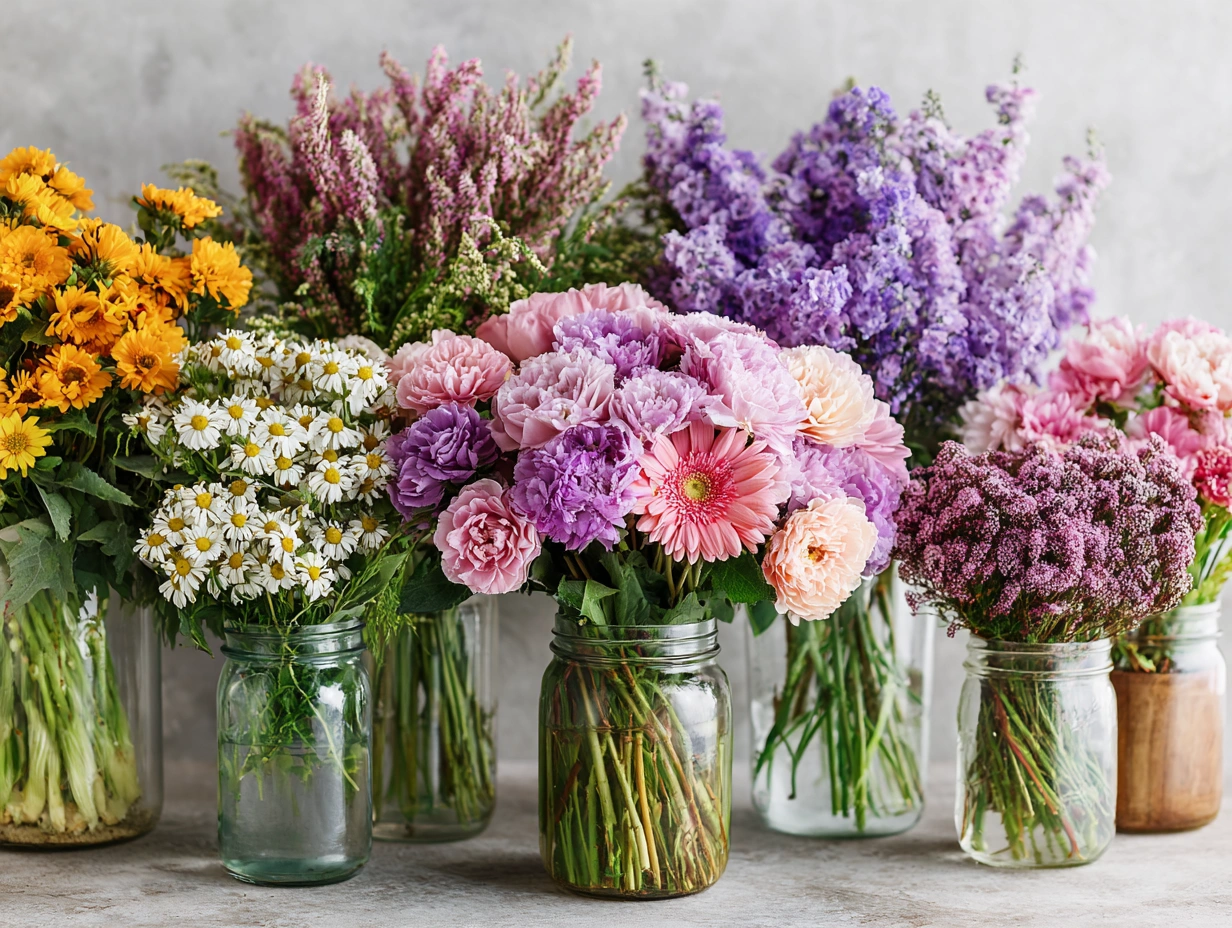
Equally essential is the placement of the flowers in your home. Cut flowers thrive in cooler locations, away from direct sunlight, drafty areas, or appliances that emit heat. A temperature between 65°F and 72°F is generally ideal for most cut flowers. Positioning the vase in these ideal conditions can make a significant difference in prolonging the lifespan of your bouquet.
Another important aspect of daily care involves the removal of wilted leaves and spent blooms. Such debris can harbor bacteria, which may hinder the overall health of the remaining flowers. Regularly inspect the arrangement for any faded or browning foliage, and remove these elements to promote a healthier environment for the other flowers.
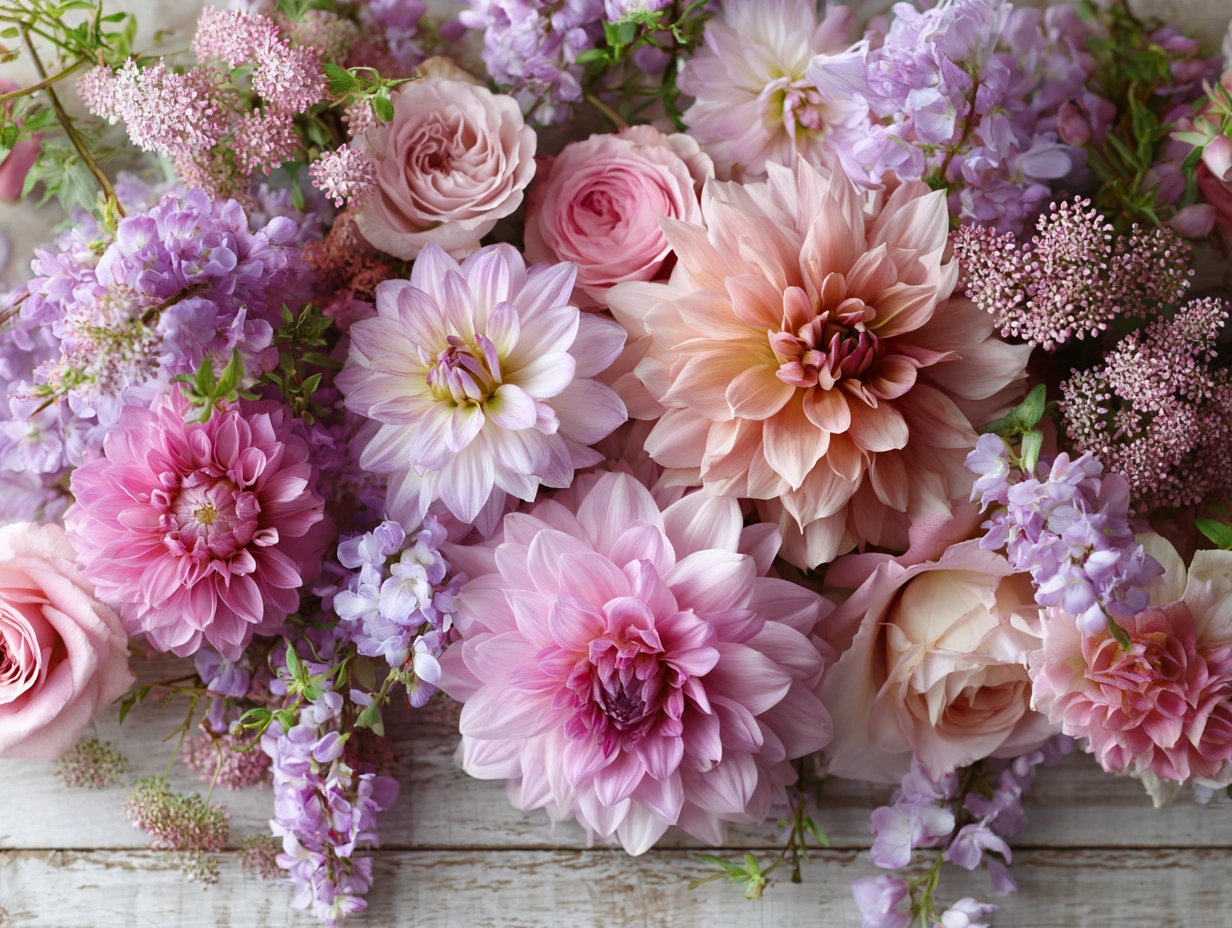
Light also plays a pivotal role in the longevity of cut flowers. While some blooms appreciate bright light, others prefer indirect light. Understanding the specific needs of your flower varieties can aid in optimizing their conditions. A balance of appropriate light, moderate temperatures, and consistent water levels will contribute significantly to maintaining the freshness of your cut flowers.
Using Natural Preservatives and Treatments
To ensure cut flowers maintain their freshness and vibrancy, utilizing natural preservatives can be an effective approach. Many household items double as valuable treatments for prolonging the life of your floral arrangements. One of the simplest solutions is sugar, which nourishes the flowers while providing energy necessary for their survival. A basic recipe for a flower preservative involves mixing two tablespoons of sugar with two tablespoons of white vinegar in a quart of lukewarm water. The sugar aids in hydration and feeding, while the vinegar acts as an antibacterial agent, minimizing the growth of harmful bacteria in the water.
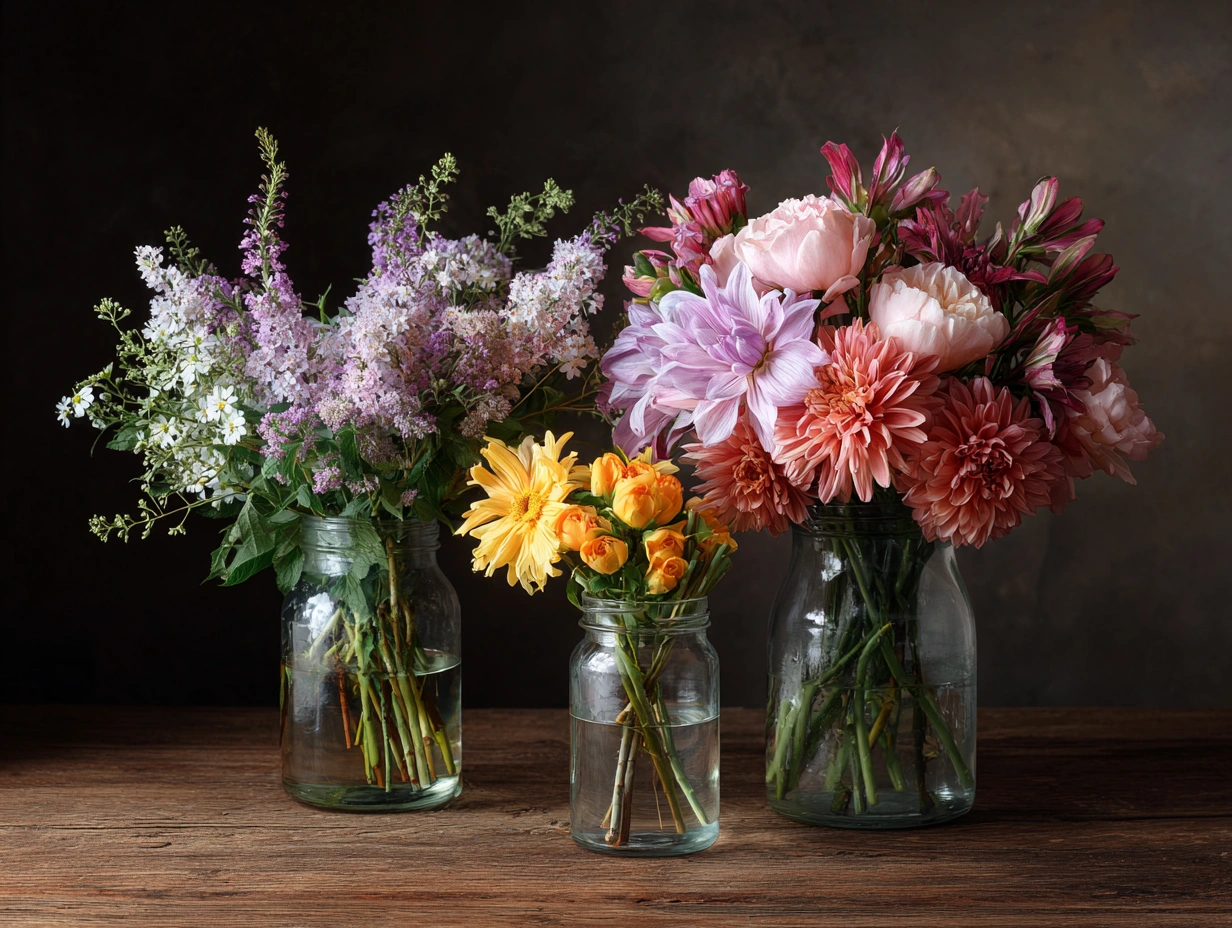
Another natural treatment is using lemon juice or other acidic ingredients. A common method includes adding one tablespoon of lemon juice to the previously mentioned sugar and vinegar mixture. This not only helps maintain pH levels in the water, which is beneficial for the flowers but also adds a pleasant fragrance to the arrangement. Additionally, some people find success incorporating a few drops of dish soap into the mixture. The soap works by helping to break the surface tension of the water, allowing for better absorption by the flower stems, thus enhancing their hydration.
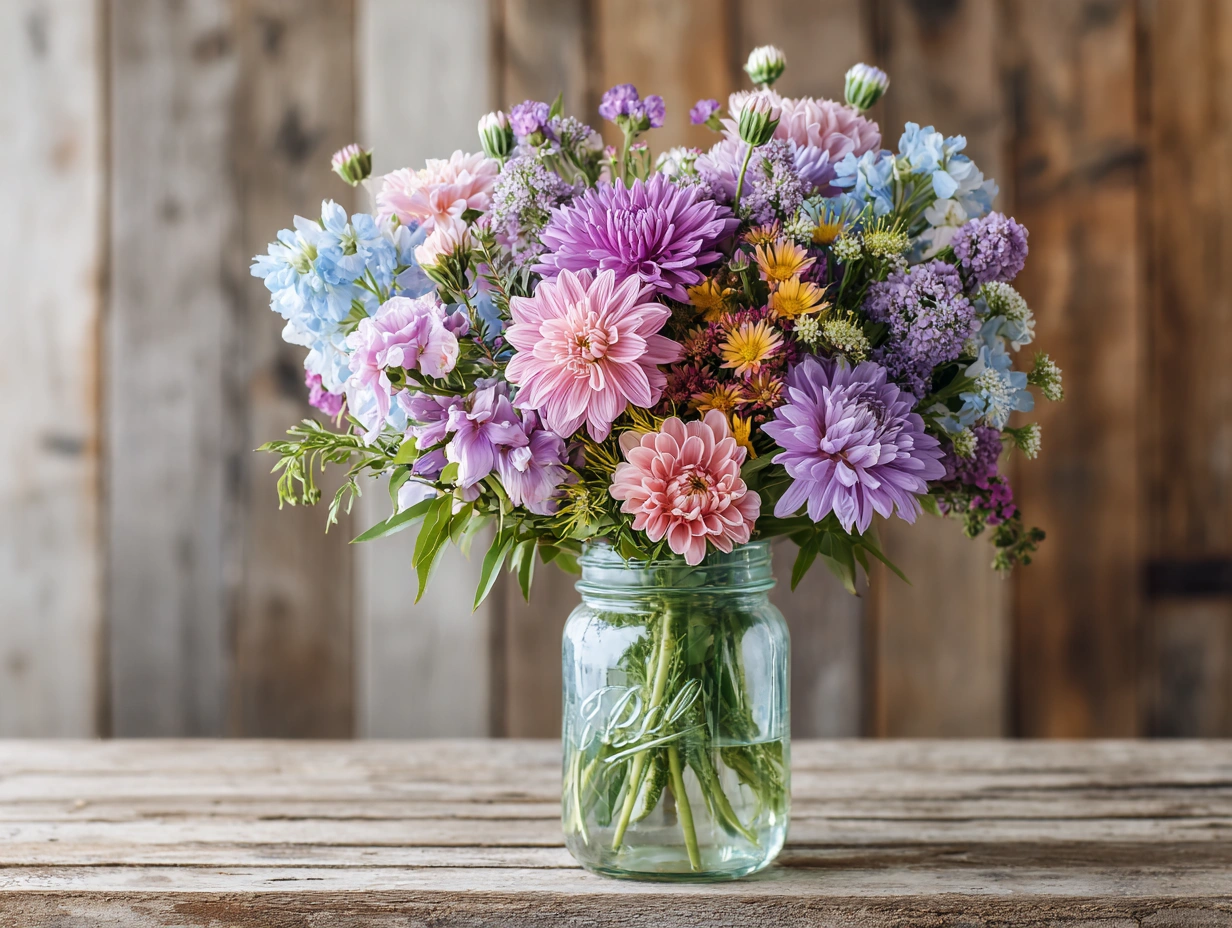
Additionally, pharmacists’ recommendations often suggest using aspirin as a natural flower preservative. Dissolving a single aspirin in the water can prevent the clogging of stems, further improving the uptake of this homemade preservative. Experimenting with these natural methods can yield impressive results, allowing cut flowers to thrive for extended periods. For optimal freshness, it is crucial to change the water and reapply your chosen preservatives every few days. By following these natural treatments, you can not only extend the beauty of your flowers but also contribute positively to your surrounding environment.

Read more